Health Anxiety and Reassurance: Why the Fear Doesn’t Switch Off
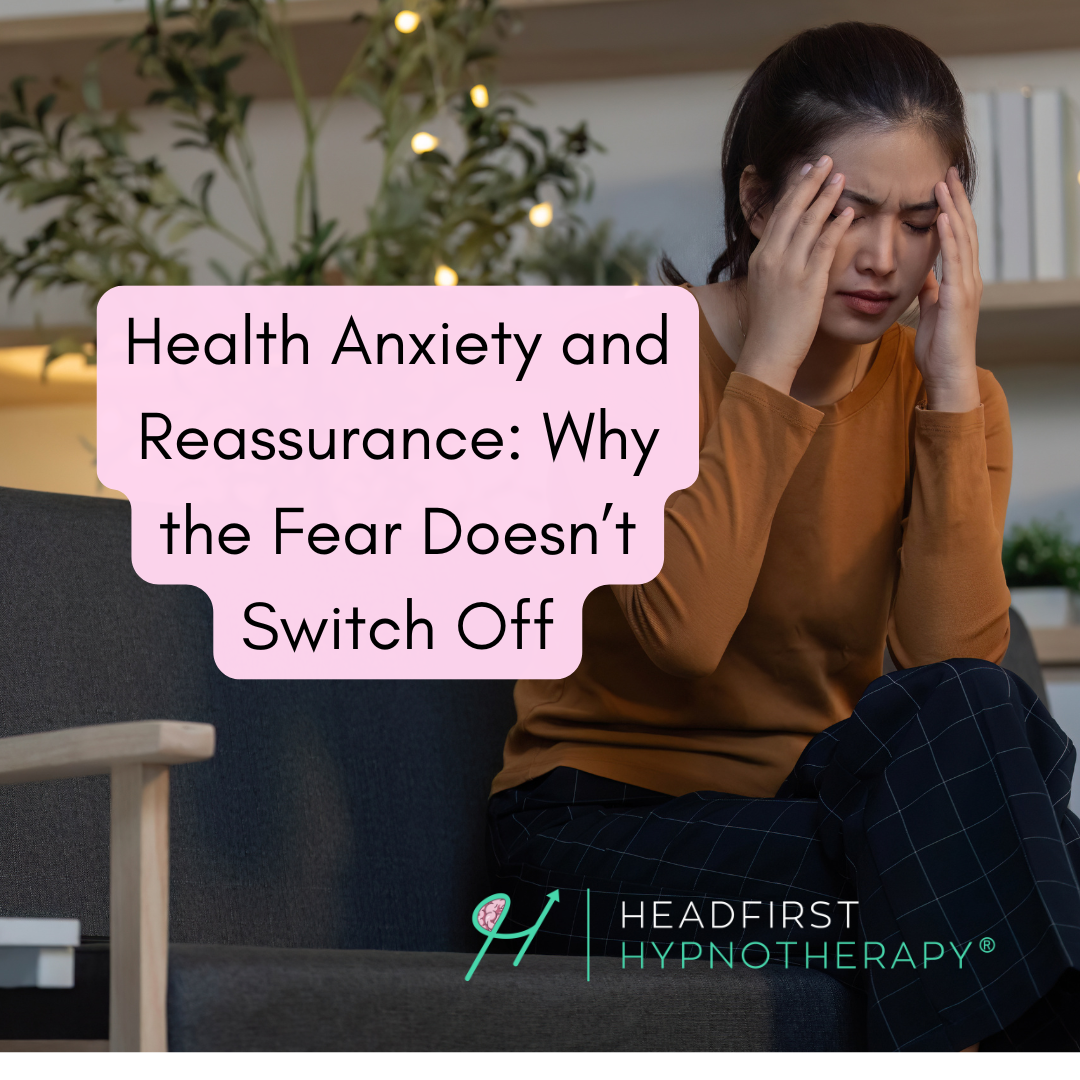
Health anxiety can make everyday bodily sensations feel frightening and urgent. A twinge, ache, or change in sensation can quickly lead to worry, checking, and seeking reassurance — yet relief rarely lasts. If you recognise this pattern, you’re not alone. This article explains why reassurance doesn’t calm health anxiety in the long term, why anxiety creates such convincing physical symptoms, and what can help instead.
What Health Anxiety Really Is
Health anxiety isn’t about imagining symptoms or “making things up”. The sensations feel real because they are real. Anxiety increases muscle tension, alters breathing, heightens body awareness, and sensitises the nervous system.
The difficulty lies not in the symptom itself, but in how the brain interprets it. An anxious brain is constantly scanning for threat, and bodily sensations become the focus of that search.
Why Reassurance Feels Necessary - but Never Enough
When anxiety spikes, reassurance brings temporary relief. Hearing “you’re fine” or receiving a clear test result calms the nervous system briefly. However, the anxious brain quickly finds a new doubt:
“What if something was missed?”
“What if this time is different?”
“What if it changes later?”
This creates a reassurance cycle:
Sensation noticed
Anxiety rises
Reassurance sought
Short-term calm
Anxiety returns
Over time, reassurance becomes a safety behaviour that unintentionally keeps anxiety active.
Why Anxiety Creates Physical Symptoms
An anxious nervous system stays in a state of alert. When this happens, the body may produce sensations such as:
chest tightness
dizziness or light-headedness
tingling or numbness
digestive discomfort
changes in breathing
These sensations are uncomfortable but not dangerous. Anxiety makes them feel urgent and threatening because the brain is prioritising protection over accuracy.
Why Trying to “Think Positively” Often Backfires
Many people with health anxiety are told to “stop worrying” or “be rational”. Unfortunately, logic alone rarely reaches the part of the brain responsible for anxiety.
When reassurance or positive thinking is used to fight anxiety, it can increase monitoring and self-checking — keeping the nervous system on high alert.
How Solution-Focused Hypnotherapy Can Support Health Anxiety
Solution-Focused Hypnotherapy works by supporting the nervous system to settle, rather than analysing symptoms or searching for causes. The focus is on:
calming the stress response
reducing threat-based thinking
building confidence in bodily sensations
helping the brain return to balance
Sessions are practical, supportive, and future-focused, helping clients feel calmer and more at ease over time.
Moving Forward Without Constant Reassurance
Recovery from health anxiety doesn’t come from proving nothing is wrong. It comes from helping the brain learn that sensations can be noticed without danger.
With the right support, it’s possible to feel calmer, more confident, and less preoccupied by bodily sensations.
If health anxiety is affecting your day-to-day life, I offer solution-focused hypnotherapy sessions in Upper Heyford, nr Bicester, Oxfordshire, and online. You’re welcome to explore whether this approach feels right for you
Book your 60-minute Initial Consultation to begin focused, solution-led support

Support with anxiety and wellbeing
I’m Andy Selway-Woolley, a Solution-Focused Hypnotherapist based in Upper Heyford, near Bicester, Oxfordshire. I offer in-person sessions from my local therapy room as well as online hypnotherapy across the UK.
My work focuses on supporting people with anxiety, overthinking, confidence difficulties, sleep-related issues, and related wellbeing concerns using a calm, practical, solution-focused approach.
I’m a registered and accredited member of Complementary & Natural Healthcare Council (CNHC), Association for Solution Focused Hypnotherapy (AfSFH) and National Council for Hypnotherapy (NCH).
You can view the full range of areas I support on my website.
If you’d like to explore whether solution-focused hypnotherapy feels right for you, you’re welcome to get in touch or book an initial consultation.